Nanda Script: Unleashing Authentic Charm in Your Designs
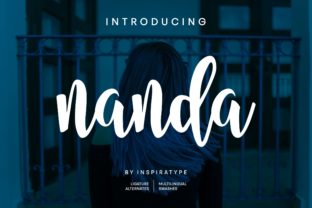
There are typefaces that simply sit on the page, and then there are typefaces that speak. Nanda Script belongs unequivocally to the latter category. It is a beautiful and bold script font with heaps of authentic charm, offering a visual voice that feels both personal and artistically refined. In a digital landscape often saturated with sterile, geometric fonts, Nanda brings a welcome breath of organic personality. Its flowing letterforms and confident strokes are designed to capture attention and convey a sense of warmth, creativity, and human touch. This isn't just another script typeface; it's a tool for making a genuine connection with your audience through thoughtful design.
A Closer Look at Its Personality and Visual Style
What makes Nanda Script so compelling? It strikes a delicate balance. The characters exhibit the fluid, connected nature of a traditional script font, yet they possess a modern, slightly bold weight that ensures visibility and impact. You'll notice subtle variations in stroke thickness, giving it a hand-lettered quality that feels authentic rather than overly polished. This creative font avoids the overly casual or whimsical look of many handwritten fonts, positioning itself as a more versatile and sophisticated option. Its personality is one of confident elegance—approachable enough for a friendly blog header, yet stylish enough for a luxury brand's packaging. The overall appeal lies in its ability to feel both timeless and contemporary, a rare and valuable trait in modern typography.
Where Nanda Script Truly Shines: Practical Applications
Understanding a font's character is the first step; knowing where to deploy it is where strategy comes in. Nanda Script excels in applications where emotion, personality, and a human touch are paramount. It's a superb choice for logo design, especially for brands in the lifestyle, boutique, artisanal, food, or wedding industries. A logo set in Nanda immediately communicates care, craftsmanship, and a personal story. For brand identity systems, it works beautifully for key phrases, taglines, or accent headings, adding a layer of warmth when paired with a clean sans serif font or a sturdy serif font.
Beyond branding, its strengths extend across numerous mediums. In editorial design, think of pull quotes, chapter titles, or feature article headers in magazines and blogs. For packaging design, it can elevate product labels, especially for gourmet foods, cosmetics, or handmade goods, by suggesting quality and artisanal care. In the digital realm, it's a powerful asset for web design hero sections, email newsletter headers, and impactful social media graphics where you need to stop the scroll. It's equally at home on printed materials like wedding invitations, greeting cards, and posters, proving its worth as a versatile design asset for both personal and commercial projects.
Guiding the Viewer's Eye: Influence on Design and Perception
A font does more than just spell words; it shapes how information is perceived and processed. Nanda Script is a master at influencing visual hierarchy. Its distinctive style naturally draws the eye, making it perfect for establishing primary focal points in a layout. Using it for a main headline or a key call-to-action ensures that element stands out. However, this very strength requires mindful application regarding readability. As a display font, Nanda is optimized for larger sizes. Setting body copy or long paragraphs in this script would quickly fatigue the reader. Its role is to complement, not dominate, the more utilitarian text.
The choice of a typeface like Nanda also directly impacts brand perception. It signals creativity, attention to detail, and a brand that values aesthetics and connection. This fosters stronger audience engagement, as viewers are more likely to remember and feel positive about a design that feels crafted and human. Consistency in using such a font across touchpoints builds recognition and reinforces the brand's unique voice, contributing to a cohesive and professional image.
Making the Most of Nanda: A Practical Guide for Creators
Ready to integrate Nanda Script into your work? A thoughtful approach will yield the best results. First, evaluate project fit. Ask yourself: does the project's tone align with Nanda's personality? It's ideal for creative, personal, or premium projects but might feel out of place in contexts requiring extreme neutrality or technical precision. Next, test font pairings rigorously. Nanda shines when contrasted. Pair it with a simple, geometric sans serif font like Montserrat or Lato for a clean, modern feel. Alternatively, combine it with a classic, readable serif font like Georgia or Merriweather for a more traditional, editorial look. The contrast allows Nanda's charm to pop without competing for attention.
When you acquire this premium font, review the included styles. Many quality script fonts come with alternates, ligatures, or stylistic sets. These features allow you to customize the look of certain letter combinations, avoiding repetition and adding an extra layer of authenticity to your lettering. Always consider readability in context. Test your chosen text at the intended size on both screen and print to ensure legibility. Finally, ensure you understand the commercial font licensing. If you're using Nanda for client work, merchandise, or digital products, a proper commercial license is essential for legal and professional compliance.
In the end, Nanda Script is more than just a collection of beautiful glyphs. It's an invitation to infuse your projects with genuine character. By understanding its strengths and applying it with intention, you can transform standard communications into memorable experiences that resonate deeply with your audience.