Rhannie Script: How to Use This Font in Your Designs
When you are working on a logo or a social media graphic, you need a typeface that carries emotion without needing a lot of context. This is where Rhannie Script steps in. It is not just another handwritten font sitting in your library; it is a specific style of expression that bridges the gap between casual warmth and professional polish. If you have ever struggled to find a font that feels personal but still looks intentional, this is the typeface you should be looking at.
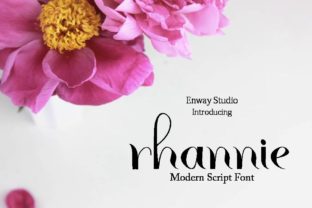
Rhannie Script is designed to mimic the fluidity of natural handwriting while maintaining the legibility required for commercial use. It feels organic, almost as if it were drawn with a high-quality pen, but it avoids the messy look that many brush scripts tend to have. The letters connect in a way that creates a rhythm, guiding the reader’s eye from left to right with a sense of movement. This makes it a fantastic choice for projects that need to feel alive and dynamic.
Understanding the Personality of Rhannie Script
To use a font effectively, you have to understand its personality. Rhannie Script falls into the category of modern typography that favors elegance without stiffness. It is a premium font, which usually implies a level of detail and refinement you don't find in free alternatives. The strokes vary in thickness, a characteristic that adds a human touch to digital text. This variation is crucial because it prevents the text from looking flat or robotic.
Imagine you are designing a wedding invitation or a high-end menu. You want the typography to feel special. Rhannie Script achieves this through its swashes and ligatures. These are the little flourishes and connecting strokes that make the letters flow together. When you turn on OpenType features in your design software, you unlock these special characters, allowing you to customize the look of the text to fit the specific mood of your project. It is a versatile script font that can be playful or sophisticated depending on how you use it.
Where Rhannie Script Fits Best
The versatility of a creative font like Rhannie Script is one of its strongest assets. It is not limited to one specific medium. You can use it effectively across a wide range of applications, from digital screens to physical products.
- Branding and Logo Design: If you are building a brand identity for a boutique, a bakery, or a lifestyle coach, this font works beautifully. It conveys approachability and care. A logo using Rhannie Script suggests that the business values personal connection.
- Packaging Design: For products that need to stand out on a shelf, such as cosmetics, artisanal foods, or stationery, this font adds a premium feel. It looks great on labels where space is limited but impact is necessary.
- Social Media Graphics: On platforms like Instagram or Pinterest, visual hierarchy is everything. Using Rhannie Script for headlines or call-to-action text can stop a user from scrolling. It breaks up the monotony of standard sans serif fonts often used in body text.
- Editorial Design: In magazines or blogs, drop caps or pull quotes set in Rhannie Script can add a touch of personality to the layout. It helps to break the grid and draw attention to specific sections of the content.
Pairing Rhannie Script with Other Fonts
A display font rarely works in isolation. To create a balanced design, you need to know how to pair Rhannie Script with a supporting typeface. Because Rhannie is a script font with a lot of character, it needs something neutral to balance it out. This is where sans serif fonts or clean serif fonts come into play.
If you want a modern, clean look, pair Rhannie Script with a geometric sans serif. The simplicity of the sans serif will let the script font shine without competing for attention. This combination works well for web design and business cards.
Alternatively, if you are going for a more traditional or elegant vibe, pairing it with a classic serif font can create a beautiful contrast. The structure of the serif complements the fluidity of the script. When testing your font pairing, pay close attention to size. Rhannie Script is best used for larger text like headers or logos. It is generally not recommended for long paragraphs of body copy because extended reading in script fonts can strain the eyes.
Practical Tips for Implementation
Before you finalize a design using Rhannie Script, there are a few practical steps you should take to ensure the best result.
- Check the Licensing: Since this is a commercial font, verify that your license covers your specific use case. If you are using it for a client’s logo, ensure you have the appropriate rights to transfer the usage or that the client purchases their own copy.
- Test for Readability: Zoom out and look at your design from a distance. Can you read the word clearly? Sometimes, connecting letters can blur together at small sizes. Adjust the tracking (letter spacing) slightly if the letters feel too cramped.
- Explore Alternates: Don't just settle for the default letters. Open your glyphs panel in Photoshop, Illustrator, or InDesign. You might find alternate versions of letters like 'g', 'h', or 't' that fit your layout better.
- Color Contrast: Because the strokes of Rhannie Script are elegant, ensure there is enough contrast between the text and the background. Light gray text on a white background might look chic, but if no one can read it, the design fails.
Final Thoughts on Design Assets
Building a library of reliable design assets is essential for any creative professional or business owner. Having a go-to script font like Rhannie Script saves time and ensures consistency across your projects. It allows you to quickly add a layer of sophistication to a pitch deck, a website banner, or a product label without having to start from scratch every time.
Ultimately, typography is about communication. Rhannie Script communicates care, creativity, and attention to detail. By using it thoughtfully and pairing it with the right supporting fonts, you can elevate your designs from ordinary to memorable. It is a tool that, when wielded correctly, helps you tell a better visual story.