Discover the Authentic Charm of Harringtone Script
There is a specific kind of energy that only a handwritten font can bring to a project. It’s the difference between a polite, corporate announcement and a personal note slipped under your door. Harringtone Script is a typeface that lives in that second category. It’s not just a collection of letters; it’s a voice—fun, bold, and dripping with authentic charm. If you’ve ever felt that a design needed a human touch, a spark of personality, or a dose of striking confidence, this is the kind of creative font that answers the call.
A Font with a Confident, Hand-Lettered Soul
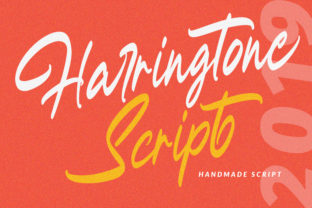
When you first look at Harringtone Script, you’ll notice it doesn’t apologize for its style. This isn’t a timid, whispering script font. It’s a bold, expressive handwritten font that feels like it was crafted with a confident brush or marker. The strokes have a natural flow, with just enough irregularity to feel genuine and organic, yet the letterforms are clear and legible. That balance is its superpower. It manages to be a premium font with the warmth and spontaneity of a hand-drawn sketch.
The personality of Harringtone Script is decidedly upbeat and approachable. It carries a modern, slightly playful vibe that avoids the stuffiness of traditional calligraphy. Think of it as the stylish friend who walks into a room and instantly makes everyone feel more at ease. This makes it an incredibly versatile script font for projects that need to feel welcoming, creative, and full of life. It’s the visual equivalent of a genuine smile.
Where Harringtone Script Truly Shines
Knowing a font’s personality is one thing; knowing where to deploy it is where the real strategy comes in. Harringtone Script isn’t a workhorse for body text—it’s a display font, a headline hero, and a branding powerhouse. Its role is to grab attention and set a mood instantly.
In logo design, this typeface can become the cornerstone of a brand identity for businesses that want to project approachability and creativity. Imagine it for a boutique coffee shop, a handmade jewelry line, a freelance photographer, or a trendy salon. It tells customers, “We put care and personality into what we do.” Paired with a clean sans serif font for supporting text, it creates a beautiful contrast that is both professional and inviting.
For packaging design, Harringtone Script adds that crucial shelf appeal. It can make a product feel artisanal, special, and worth picking up. Use it on product names, taglines, or special callouts on labels for everything from artisanal foods to beauty products. It helps create an emotional connection before the customer even tries the product.
In the digital realm, its impact is just as strong. As part of a web design toolkit, it’s perfect for hero section headlines, call-to-action buttons, or featured article titles. It breaks the monotony of standard web fonts and guides the visitor’s eye exactly where you want it. For social media graphics, it’s a game-changer. A quote graphic, a sale announcement, or a story highlight created with Harringtone Script will stop the scroll. Its bold presence ensures your message isn’t just seen, but felt.
Even in editorial design and publishing, it finds a sweet spot. Use it for chapter titles in a book, section headers in a magazine, or pull quotes in a blog post. It provides a visual breather and injects personality into longer-form content, making the reading experience more dynamic and engaging.
Making It Work: Practical Guidance for Designers and Creators
Choosing a font is a strategic decision. Here’s how to think about integrating Harringtone Script into your workflow effectively.
Evaluate the Project Fit
First, consider the project’s core message and audience. Does it call for warmth, creativity, and a personal touch? If the goal is to convey ultra-serious, formal, or highly technical information, a different serif font or sans serif font might be more appropriate. But if you’re targeting adults 20-50 who appreciate design, creativity, and authenticity—like fellow entrepreneurs, crafters, or content creators—Harringtone Script will likely resonate deeply.
Master the Art of Font Pairing
The key to using a strong script font is balance. Font pairing is essential. Harringtone Script works beautifully with simple, neutral typefaces. Try pairing it with a geometric sans serif like Montserrat or a clean serif like Lora. The contrast allows the script to be the star without overwhelming the design. Use Harringtone for headlines or key phrases, and its partner for body copy and detailed information. This creates a clear visual hierarchy and ensures overall readability.
Check the Included Styles and Licensing
A good premium font often comes with more than one style. Check if Harringtone Script includes alternates, ligatures, or stylistic sets. These extras can give you more creative control, allowing you to customize the look of specific letter combinations for a more authentic, hand-lettered feel. Equally important is understanding the commercial font licensing. Ensure the license covers your intended use, whether it’s for a client’s logo, printed merchandise, or a website. This is a non-negotiable step for any professional project.
Test for Readability and Consistency
Always test the font in context. View it at the size it will be used, both on screen and in print. While it’s designed for impact at larger sizes, ensure it remains legible when used for shorter phrases. Its consistent baseline and x-height, despite its handwritten style, help maintain a professional appearance across different applications, which is crucial for building a recognizable brand identity.
Harringtone Script is more than just a design asset; it’s a tool for connection. It brings a striking, human feel to modern typography, helping brands and creators communicate with authenticity and confidence. By understanding its personality and applying it thoughtfully, you can leverage its charm to make your projects not only more beautiful but more memorable and engaging.