Why Chocolate Script Feels Like a Warm Handshake
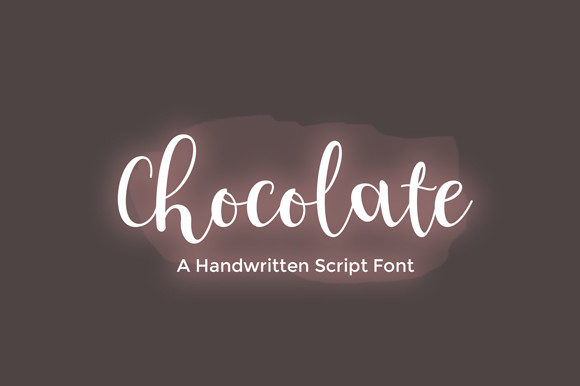
There’s a particular quality to a typeface that feels both personal and polished. It doesn’t just present words; it conveys a feeling, a mood, an unspoken promise of quality. Chocolate Script is a wonderful example of this. It’s a modern script font that feels meticulously crafted, with a natural flow that avoids the pitfalls of looking either too stiff or overly casual. The letterforms connect in a way that feels organic, as if written with a confident hand and a quality pen. This isn’t just another script font; it’s a creative font with a distinct personality that can add a layer of sophistication and approachability to your projects.
Where This Typeface Truly Shines
The real strength of Chocolate Script lies in its versatility within specific applications. It’s not a workhorse body font, but as a display font, it’s exceptionally effective. Think about projects where a human touch is paramount. In logo design, especially for boutique brands, artisanal products, or personal services, it can establish an immediate sense of craft and care. For a wedding photographer, a handmade soap company, or a local café, using Chocolate Script in the logo sets a tone of warmth and authenticity before a customer even reads the tagline.
Move beyond the logo, and its utility expands. In packaging design, it can make a product feel premium and thoughtfully presented. Imagine it on a label for gourmet chocolate (a fitting match), a craft coffee bag, or a bottle of small-batch syrup. The font does the visual talking, suggesting quality and attention to detail. For editorial design, consider using it for pull quotes, chapter headings in a lifestyle book, or the title of a magazine feature about artisan crafts. It draws the eye and breaks up the monotony of standard serif font or sans serif font blocks, creating a more engaging reading experience.
The Practical Side: Pairing, Testing, and Licensing
Choosing a font like Chocolate Script is only the first step. Using it effectively requires some strategic thinking. A common mistake is letting a strong script font overpower everything else. The key is font pairing. Chocolate Script works beautifully when contrasted with a clean, simple companion. Pair it with a neutral sans serif font for body text or a classic serif font for a more traditional feel. The contrast allows the script to stand out as a focal point without creating visual chaos. Always test your pairings in context—see how they look in a headline next to a paragraph, or on a business card alongside contact information.
Before you commit, do your homework. A quality premium font like this should come with more than just basic letters. Check the font file for OpenType features. Does it include alternate characters, ligatures, or swashes? These extras are what allow you to customize the look, perhaps changing a capital letter’s flourish or connecting certain letter pairs more elegantly. Also, review the licensing carefully. For personal projects, the terms are usually straightforward, but if you plan to use Chocolate Script in commercial font applications—for client work, merchandise, or embedded in a product—you need to ensure your license covers that use. Reputable foundries make this information clear.
Readability is your final checkpoint. While Chocolate Script is crafted for clarity, script fonts are inherently more complex than block letters. Use it for short, impactful text: headlines, subheads, logos, and calls to action. Avoid setting long paragraphs in it, as the connected letterforms can become tiring to read in large quantities. Test it at the size you intend to use. Does the word “delicious” remain legible when small on a mobile screen? Does the brand name hold its shape when embossed on a thick paper stock? These practical tests separate a good design decision from a problematic one.
Elevating Your Brand’s Visual Voice
Ultimately, selecting a typeface like Chocolate Script is a strategic choice for your brand identity. Fonts are silent ambassadors. A clean, geometric sans serif might shout “modern and efficient.” A sturdy serif might whisper “established and trustworthy.” Chocolate Script communicates something different: it suggests creativity, personal investment, and a touch of elegance. It’s a font that feels human, making it ideal for brands and creators who want to foster a direct, personal connection with their audience.
For a blogger, it can make post titles feel more intimate. For a small business owner, it can transform a simple thank-you note into a memorable brand touchpoint. For a marketer, using it in social media graphics can help a post stand out in a crowded feed, conveying a specific aesthetic that a standard system font cannot. It’s about using modern typography not just to be seen, but to be felt. By integrating Chocolate Script thoughtfully into your design assets, you’re not just choosing a font—you’re refining your voice and enhancing the way your audience perceives and engages with your work. It’s a small detail that can make a significant difference in the overall professionalism and recognition of your creative output.