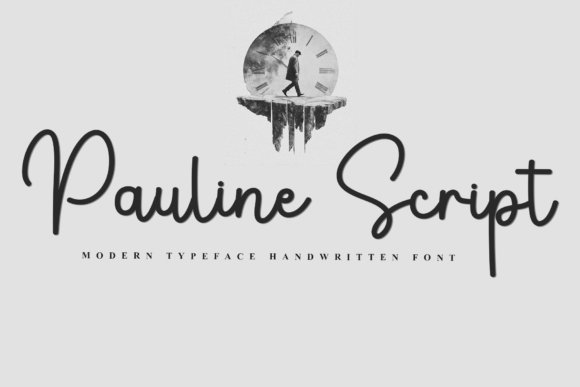
Pauline Script: The Modern Handwritten Font That Feels Like a Friend
You know the feeling. You’re designing a logo, crafting a social media post, or personalizing a thank-you card, and you need a font that feels human. Not stiff, not overly formal, but warm, approachable, and effortlessly stylish. Enter Pauline Script. This isn’t your grandmother’s fussy cursive. It’s a modern, streamlined handwritten font that captures the essence of a casual note written with a steady hand, but with the consistency and clarity of a professional typeface. It’s the design equivalent of a perfectly curated, cozy yet contemporary living space.
Beyond Cursive: The Anatomy of a Friendly Typeface
At its core, Pauline Script is defined by its simplicity and intention. The strokes are smooth and monoline, meaning the line thickness remains consistent throughout each letter. This immediately sets it apart from traditional script fonts that mimic the pressure variations of a dip pen. The result is a cleaner, more predictable, and highly readable aesthetic. Its structure is predominantly upright, not slanted like much classic cursive, which gives it a grounded, contemporary feel. This design choice minimizes the visual clutter that can make some handwritten fonts a struggle to read, especially at smaller sizes or on screen.
The personality of Pauline Script is one of approachable elegance. It carries a gentle, friendly vibe without sacrificing style. Think of it as the font equivalent of a crisp white shirt paired with well-fitting jeans—it’s put-together but never overdone. This balance makes it incredibly versatile. It can feel personal and intimate for a wedding invitation, yet polished and modern for a boutique brand’s logo. The key is its ability to convey a human touch while maintaining the legibility and consistency required for professional projects.
Where Pauline Script Truly Shines: Real-World Applications
Understanding a font’s character is one thing; knowing where to apply it is where the real value lies. Pauline Script excels in projects where a minimalist, warm, and personal feeling is the goal. For lifestyle bloggers and content creators, it’s a powerhouse. Use it for your blog headers, Instagram quote graphics, or YouTube thumbnails to instantly add a layer of authenticity and connection with your audience. It says, “I’m speaking directly to you,” in a clear, stylish voice.
In the realm of branding and logo design, this typeface is a strategic asset. It’s an excellent choice for businesses in the wellness, beauty, artisanal food, or boutique retail spaces. A logo set in Pauline Script suggests a brand that values personal connection, quality, and a relaxed sophistication. It pairs beautifully with a clean sans serif font for body text, creating a font pairing that is both dynamic and balanced. The script font draws the eye for headlines and logos, while the sans serif ensures easy readability for longer descriptions.
For personal and commercial stationery, its utility is obvious. Think wedding invitations, greeting cards, and personalized planners where a handwritten feel is desired without the inconsistency of actual handwriting. In packaging design, it can add a craft-inspired, artisanal touch to labels for candles, cosmetics, or gourmet goods. For web design, it can be used sparingly for impactful elements like a hero banner quote or a call-to-action button, but always test its readability on various devices. Its strength in social media graphics is undeniable, as it cuts through the visual noise with its friendly, approachable aesthetic.
A Practical Guide to Using This Creative Font
Choosing a premium font like Pauline Script is an investment in your project’s visual language. Here’s how to ensure it’s the right fit. First, evaluate the project’s voice. Does your brand or project need to feel personal, warm, and contemporary? If yes, proceed. If it needs to feel corporate, authoritative, or highly technical, a different typeface category might be better.
Next, test font pairings rigorously. The golden rule with any script font is to pair it with something simpler. A sturdy serif font or a geometric sans serif font will create a pleasing contrast and ensure your body copy remains highly readable. Never set long paragraphs in Pauline Script; its role is for display, headlines, and short, impactful text.
Take advantage of its technical features. Being PUA-encoded means all the design assets—the glyphs, swashes, and alternate characters—are easily accessible in any design software. This allows you to customize your letterforms, perhaps adding a decorative tail to a ‘y’ or a more elaborate ‘g’ for a special initial, giving your work a truly bespoke feel. Always review the full character set before finalizing a design.
Finally, consider the context. For editorial design, it might work for chapter titles in a cookbook or lifestyle magazine but not for the body of a news article. In digital design, ensure the font size is large enough to remain crisp on screens. Its clean lines help, but testing is key. When used thoughtfully, Pauline Script becomes more than just a handwritten font; it becomes a core component of your brand identity, helping to foster recognition, convey professionalism in a relaxed way, and ultimately, create a deeper connection with your audience. It’s a tool for adding a signature touch that feels both current and genuinely human.