Thermal Script: Crafting Elegance in Modern Design
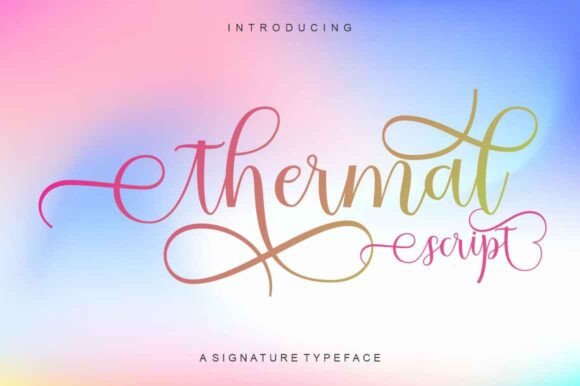
In the crowded landscape of modern typography, finding a typeface that balances sophistication with approachability can feel like searching for a needle in a haystack. Enter Thermal Script, a creative font that has quickly become a staple for designers seeking to infuse projects with a distinct sense of grace and luxury. It is not merely a collection of letters; it is a design asset that sets a specific tone the moment it appears on the page or screen. Unlike rigid geometric fonts or chaotic grunge styles, Thermal Script occupies a refined middle ground, offering soft, graceful curves and subtle details that feel both timeless and contemporary.
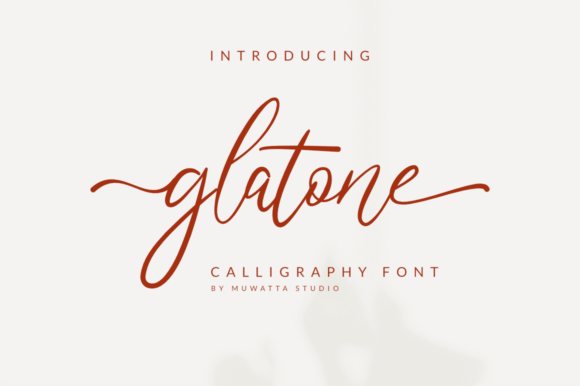
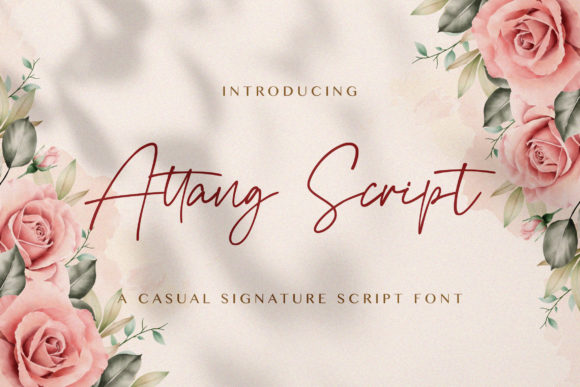
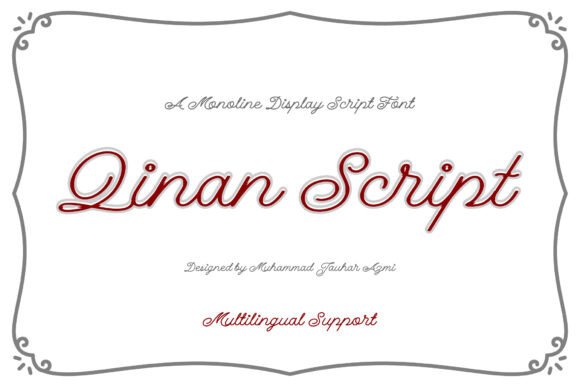
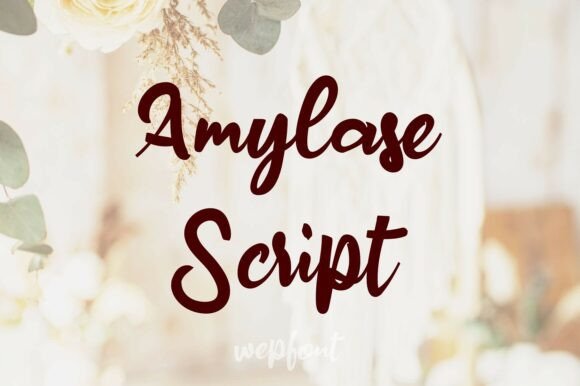
At its core, Thermal Script is defined by its balanced proportions and elegant flow. It avoids the scratchy, illegible look of some handwritten fonts while steering clear of the stiffness found in traditional serif fonts. Instead, it mimics the fluidity of natural handwriting but with a polished, professional finish. The strokes are gentle, often featuring delicate swashes that add personality without overwhelming the message. This makes it an incredibly versatile typeface. It feels personal, as if written by a skilled calligrapher, yet it maintains the clarity required for commercial use. Whether used for a headline or a short piece of body text, it brings an element of human touch to digital and print designs alike.
The Visual Personality: More Than Just a Script Font
When we look closer at the anatomy of Thermal Script, we see a font designed for emotional connection. The soft curves suggest warmth and comfort, while the balanced spacing ensures the text breathes well within a layout. This is particularly important for branding. A brand identity relies heavily on the psychological impact of its typography. A sharp, angular sans serif font might communicate efficiency and speed, but Thermal Script communicates exclusivity and care. It whispers rather than shouts, making it ideal for brands that want to project a stylish and exclusive image.
The versatility of this typeface allows it to function effectively as a display font. In the realm of logo design, a distinct wordmark can define a company's entire visual strategy. Using Thermal Script for a logo instantly signals that the brand values aesthetics and quality. However, it is crucial to understand the context. Because it is a script font, it carries a distinct "voice." It is inherently feminine and luxurious, which makes it a perfect match for industries such as beauty, fashion, wedding planning, and high-end interior design. Yet, with the right font pairing, it can also soften the edges of a more corporate identity, adding a human touch to an otherwise rigid corporate structure.
Strategic Applications: Where Thermal Script Shines
Understanding where to deploy this premium font is key to maximizing its impact. Designers and entrepreneurs often make the mistake of using elegant script fonts for large blocks of text, which can lead to eye strain. Thermal Script is best utilized where it can command attention without causing fatigue.
- Wedding Invitations and Stationery: This is perhaps the most natural habitat for Thermal Script. The font’s romantic and flowing nature elevates the perceived value of the invitation suite, turning a simple piece of paper into a keepsake.
- Packaging Design: For small business owners selling artisanal goods, cosmetics, or gourmet foods, packaging is the first point of contact with the consumer. Thermal Script adds a layer of sophistication that suggests the product inside is crafted with high standards.
- Social Media Graphics: In the fast-scrolling environment of Instagram or Pinterest, visual hierarchy is everything. Using Thermal Script for quotes, sale announcements, or header text can stop the scroll. It pairs beautifully with clean sans serif fonts for the supporting text, creating a balanced visual hierarchy that is easy to read and aesthetically pleasing.
- Editorial Design: Magazine layouts and blog headers benefit from the dynamic energy of a script font. It breaks up the monotony of standard text blocks and draws the reader's eye to key focal points.
Practical Guidance for Implementation
While the aesthetic appeal of Thermal Script is undeniable, practical application requires a thoughtful approach. As a designer or content creator, your goal is to ensure the font enhances the user experience rather than hindering it. Here is how to approach working with this typeface effectively.
Evaluating Readability and Context
Readability is the cornerstone of good design. While Thermal Script is legible for short phrases, it should rarely be used for long-form body copy. If you are designing a website, use it for the H1 or H2 headings to establish the brand voice, but switch to a highly legible serif or sans serif font for the paragraphs. This contrast not only ensures readability but also creates a strong visual hierarchy. The elegance of the script draws the user in, and the clean body text delivers the information efficiently.
Mastering Font Pairings
A font rarely works in isolation. To get the most out of Thermal Script, you need to find the right partner. Because it has soft curves and a distinct personality, it pairs best with fonts that are neutral and structured.
- Pair with Geometric Sans Serifs: Fonts like Montserrat, Poppins, or Raleway provide a clean, modern backdrop that allows Thermal Script to stand out. The geometric precision of the sans serif contrasts with the organic flow of the script, creating a dynamic layout.
- Pair with Traditional Serifs: For a more classic, editorial look, consider pairing it with a sturdy serif font like Garamond or Merriweather. This combination works well for luxury branding and print publishing, evoking a sense of heritage and trust.
Licensing and Technical Considerations
Before integrating Thermal Script into a commercial project, always verify the licensing terms. As a premium font, it typically comes with specific usage rights. Ensure your license covers the intended application, whether it is for a client's logo, merchandise, or digital ads. Additionally, check the font file for included styles. Does it come with alternates or ligatures? Accessing these extra glyphs can add unique flair to your typography, allowing you to customize the look so it doesn't appear generic to other users of the same font.
Testing Across Mediums
Finally, always test the font in the environment where it will be seen. A font that looks stunning on a high-resolution monitor might lose its delicate details when printed on textured paper, or vice versa. If you are using Thermal Script for web design, ensure it renders well across different browsers and screen sizes. The subtle curves that define its elegance must remain crisp and clear, regardless of the medium.
Ultimately, Thermal Script is more than just a typeface; it is a strategic tool for visual storytelling. By understanding its personality and applying it with intention, designers and creators can transform ordinary projects into extraordinary experiences. It offers that rare combination of warmth and professionalism, making it an invaluable asset in any creative toolkit.