Give Your Projects a Charming Twist with Handy Script
There is a specific kind of warmth that only a handwritten typeface can bring to a design. In a digital world often dominated by clean, geometric sans serif fonts and structured serif typefaces, a script font with genuine character acts as a visual breath of fresh air. Handy Script is exactly that kind of typeface. It is a premium font designed to look and feel authentic, capturing the energy of a hand-lettered composition rather than a mechanical reproduction. If you are looking for a creative font that balances boldness with elegance, this typeface offers a distinct personality that can elevate everything from a wedding invitation to a high-end product label.
Understanding the Visual Personality of Handy Script
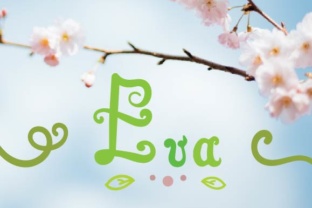
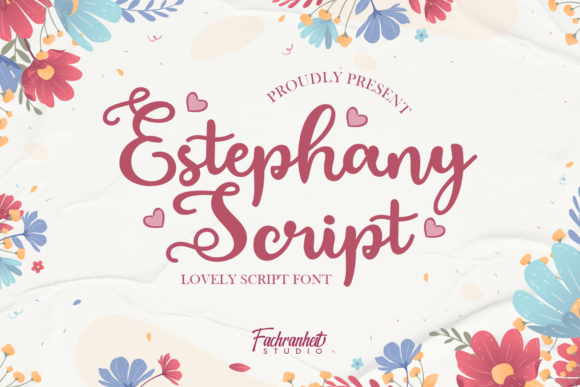
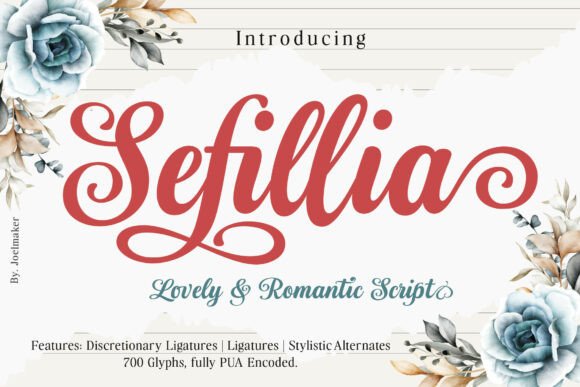
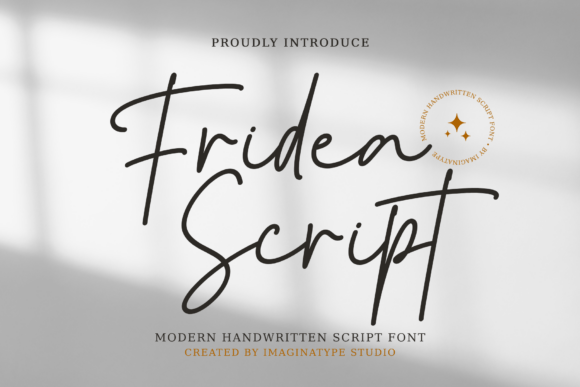
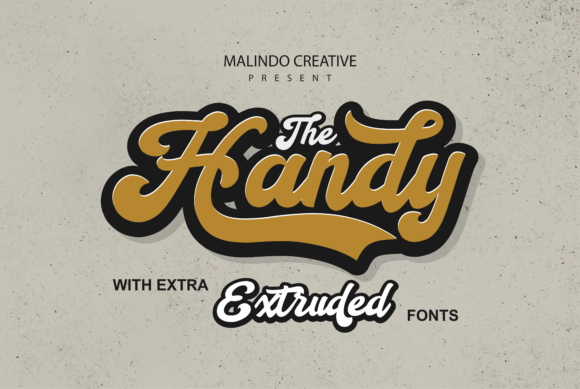
When you first look at Handy Script, you notice that it doesn't look like it was typed by a computer. It has the irregular, organic flow of actual ink on paper. This is crucial for designers because "handwritten" often implies a casual or messy look, but Handy Script leans more toward a structured elegance. The letterforms are bold and confident, making it a strong candidate for display font usage where you need text to stand out immediately. The connections between letters are fluid, creating a natural rhythm that guides the eye across the page.
The appeal lies in its versatility. Some script fonts are too ornate, with loops and swirls that make them impossible to read at smaller sizes. Handy Script avoids this trap. It maintains a modern typography sensibility while retaining the charm of a vintage sign painter’s work. It feels personal. When you use this typeface, you are essentially borrowing a piece of human imperfection to make your brand identity feel more approachable and relatable. It is the difference between a corporate memo and a handwritten note left on a desk—the latter always gets read first.
Practical Applications for Designers and Entrepreneurs
Knowing what a font looks like is one thing; knowing how to use it effectively is another. As a creative professional, I have found that fonts like Handy Script work best when they are used to create a focal point. You likely wouldn't use this for body copy in a long-form article, but it is invaluable for editorial design headers, packaging design callouts, and social media graphics.
Branding and Logo Design
For small business owners and entrepreneurs, logo design is often the first hurdle. A logo needs to be memorable and encapsulate the brand's voice in a single glance. Handy Script works exceptionally well for businesses that want to project an image of craftsmanship, care, and authenticity. Think of a boutique coffee roaster, a handmade jewelry brand, or a high-end florist. The font gives the impression that there is a human behind the brand who cares about the details. However, when using a script font for a logo, always consider the scaling. You need to ensure that the bold strokes of Handy Script remain legible whether they are on a massive storefront sign or a tiny favicon in a browser tab.
Packaging and Product Design
In packaging design, shelf appeal is everything. Consumers scan shelves quickly, and a generic typeface can cause a product to blend in with the background. Using Handy Script on a label can instantly differentiate a product. It suggests that the item inside is artisanal or special. I recommend using it for the product name or a specific flavor descriptor, rather than the nutritional information or legal text. The contrast between the expressive script and a clean sans serif font for the details creates a sophisticated visual hierarchy that looks professional and organized.
Digital Marketing and Web Design
In the realm of web design and social media, engagement is the metric that matters. Static text often fails to stop the scroll. Handy Script brings a dynamic energy to digital assets. It is excellent for Instagram quote graphics, blog post titles, or email headers. When used on a landing page, a script font can draw attention to a specific call-to-action or a headline that you want the user to read before anything else. Because it is a bold handwritten font, it holds its own against colorful backgrounds and complex imagery, ensuring your message isn't lost in the noise.
Strategic Font Pairing and Visual Hierarchy
A single font rarely does all the heavy lifting in a design. The true power of a typeface like Handy Script is revealed when it is paired with others. This is where the concept of font pairing becomes essential. Because Handy Script has a strong, decorative personality, it requires a partner that is more subdued.
The classic rule of thumb is to pair a script font with a neutral sans serif font. Fonts like Montserrat, Lato, or Open Sans provide a clean, geometric structure that grounds the fluidity of Handy Script. The sans serif acts as the "quiet" voice, handling the bulk of the information, while Handy Script acts as the "loud" voice for headlines and emphasis. You could also pair it with a simple serif font for a more traditional, editorial look, but be careful not to compete with the script’s flourishes. If both fonts are fighting for attention, the design becomes cluttered and difficult to read.
Visual hierarchy is about directing the viewer's attention. By using Handy Script for your H1 or H2 headings, you are explicitly telling the reader, "Start here." This is particularly useful in editorial design for magazines or blogs where you need to break up long blocks of text and give the reader visual resting points.
Technical Considerations and Readability
While aesthetics are important, practicality is paramount. A beautiful font that no one can read is a failed design. Handy Script has been crafted with legibility in mind, but as with any script typeface, context matters.
Always test your font at the size it will be viewed. If you are designing a billboard, the large scale will exaggerate the brush strokes, which can look beautiful. If you are designing a business card, you need to ensure the letters don't merge into one another at small sizes. Contrast is another key factor. Dark text on a light background is the safest bet for readability. Using Handy Script in a light color on a dark background can work, but you may need to increase the font size or letter spacing slightly to ensure the edges of the letters remain crisp.
Furthermore, when selecting a premium font for commercial use, it is vital to review the licensing. Most commercial fonts come with different tiers of licenses depending on the number of users or the type of media (web vs. print). Ensure your license covers your specific needs, whether it is for a single freelance project or a large-scale corporate brand identity system.
Conclusion
Handy Script is more than just a collection of letters; it is a design asset that injects personality and humanity into digital and print projects. Whether you are a crafter designing a wedding invitation, a marketer creating a social media campaign, or a publisher looking for a fresh editorial headline, this typeface offers the boldness and charm needed to make your work stand out. By using it strategically, respecting the rules of visual hierarchy, and pairing it with complementary typefaces, you can leverage Handy Script to create designs that are not only beautiful but also effective in connecting with your audience.